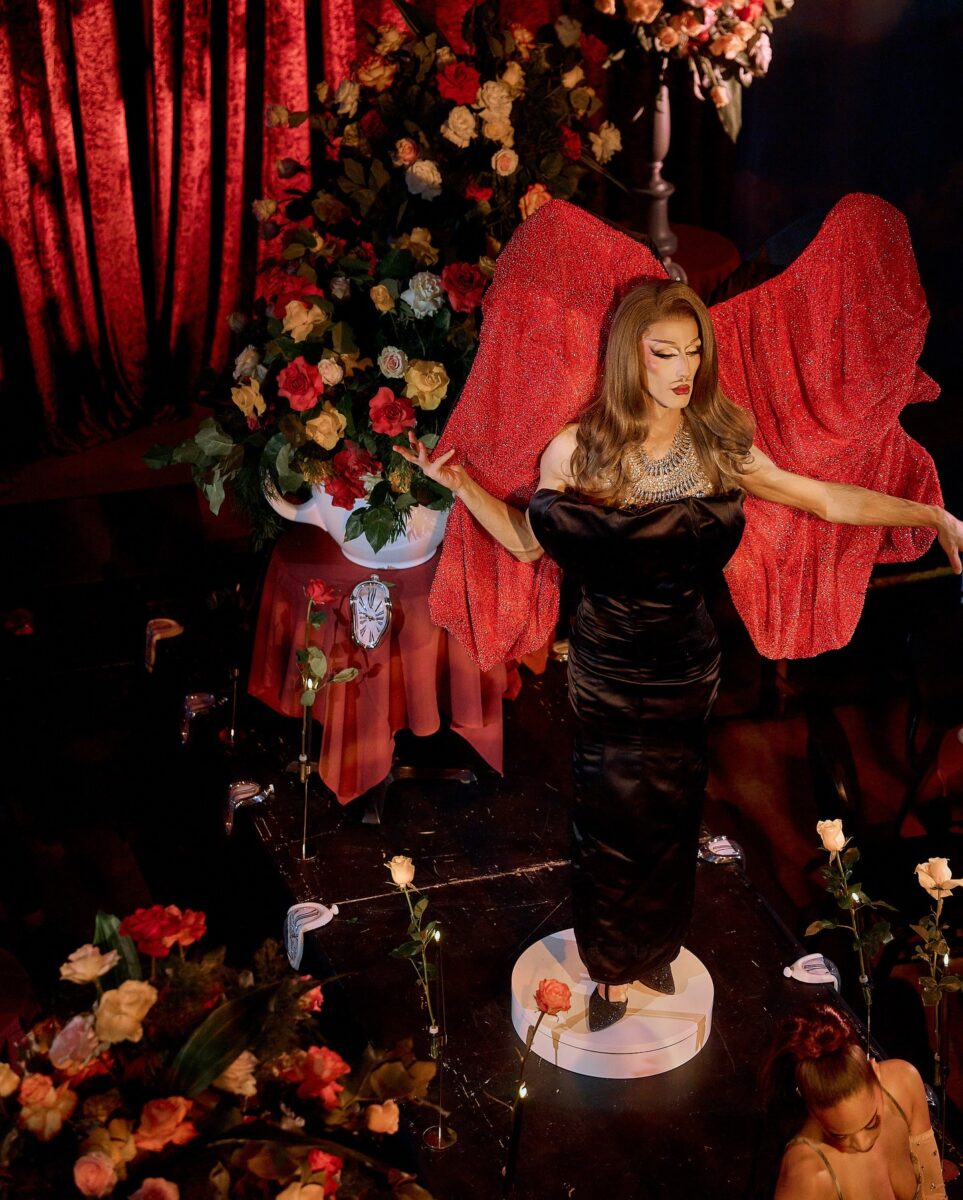
Meet the drag queen, model, and CIBL 101.5 radio host making her mark on Montreal’s vibrant queer scene.
Montreal’s drag scene is a world of its own, shaped by creativity, performance, fashion, and unapologetic self-expression. At the centre of it is a new generation of performers bringing their own identities and perspectives to the stage, including a rising drag queen, model, and radio personality from CIBL 101.5.
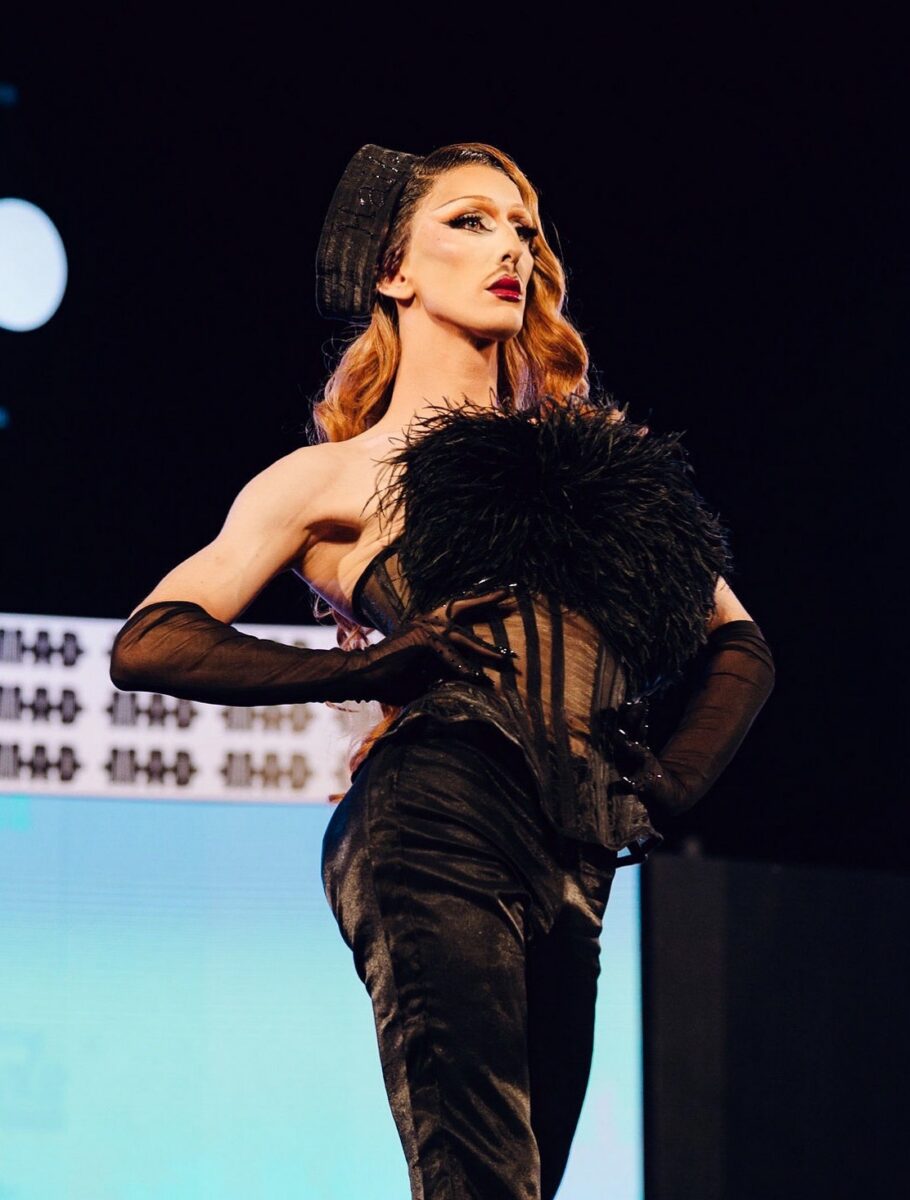
1. What are the advantages of being a fashion model?
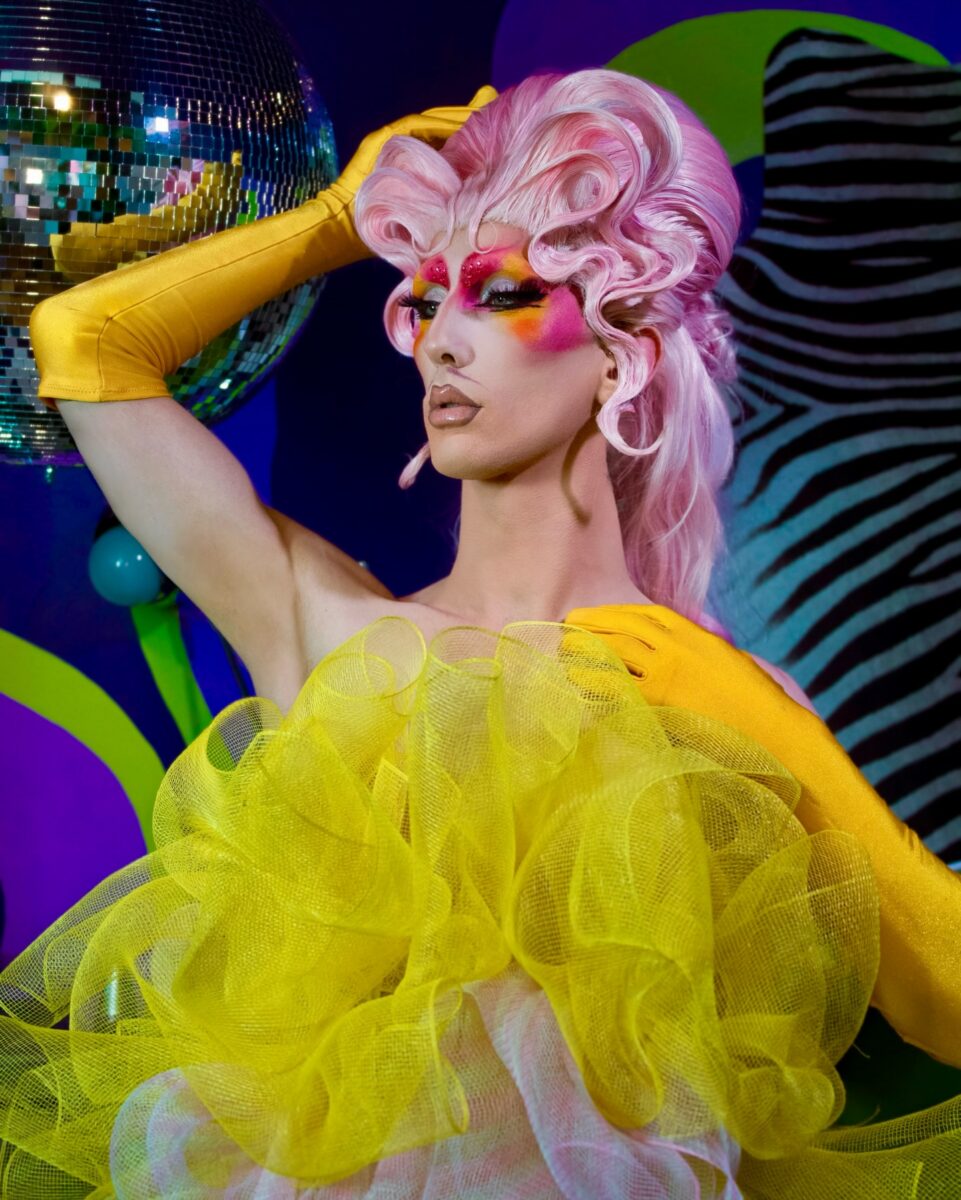
“For me, one of the most exciting aspects of being a fashion model is that it is rarely an individual process. It is a collaboration between the model, the designer, photographers, hairstylists, makeup artists and many other creatives. As a drag artist and model, I also see myself as part of that creative conversation. Drag allows me to question and redefine some of the traditional codes of gender, fashion and the body. I can bring a different silhouette, identity and perspective to a garment, and sometimes the body wearing the clothes becomes part of the artistic statement itself. I love the idea that fashion can be a space where we experiment with who we are, rather than simply dressing the person we already are.”
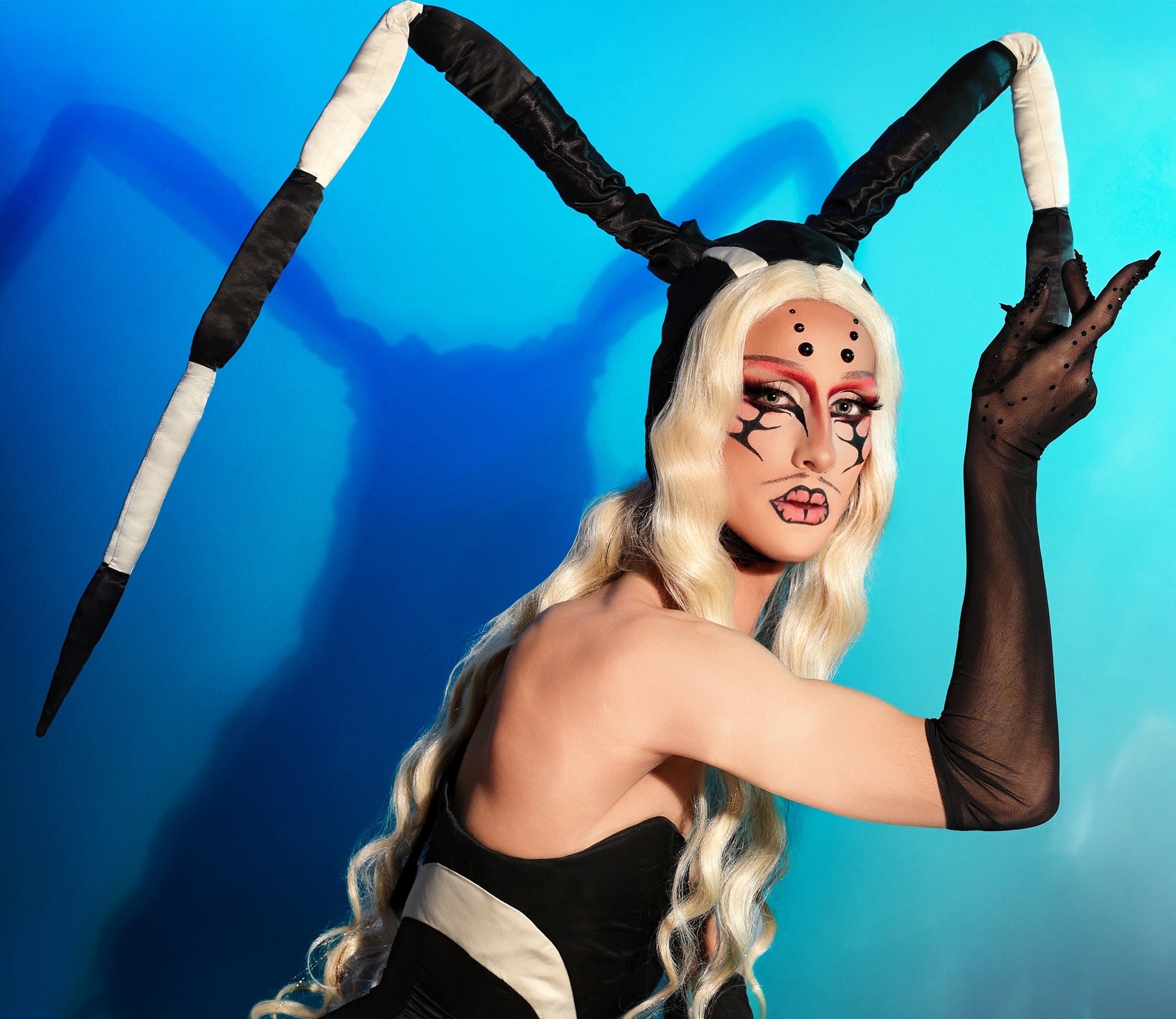
2. Who inspired you to become an artist?
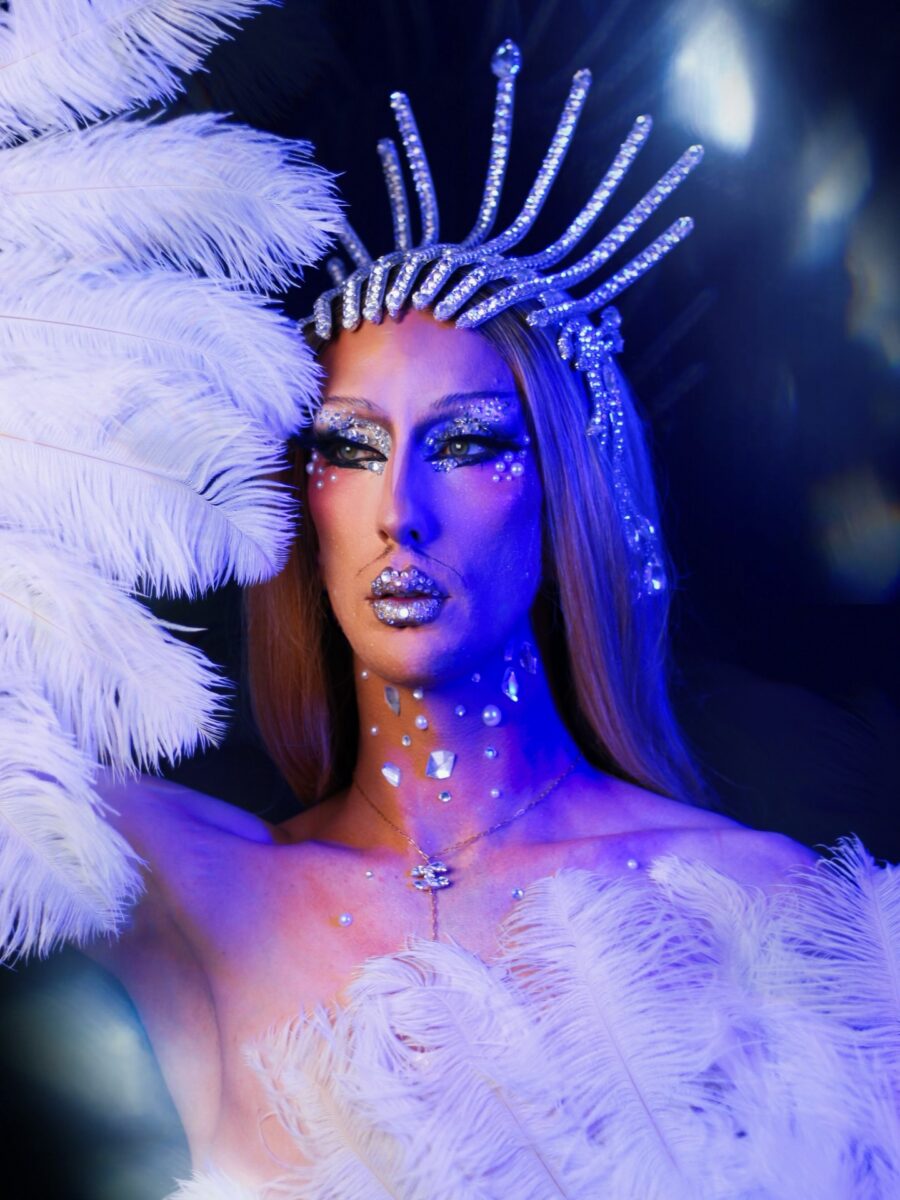
“My inspiration comes from many different places rather than from one single person. I have always been fascinated by artists and characters who challenge the way we understand femininity, identity and power. My drag persona, Hailey Well, is particularly inspired by the figure of the witch and the way witches have evolved throughout popular culture. For centuries, the witch was often portrayed as a dangerous or threatening woman, someone whose knowledge, independence or power placed her outside the expectations of society. Today, the figure of the witch can also represent freedom, transformation, femininity and resistance. That evolution really speaks to me. I’m interested in taking symbols that have historically been used to make certain people feel like outsiders and reclaiming them as sources of power and creativity. Fashion has also explored this imagery extensively, from Vivienne Westwood and Alexander McQueen to more contemporary interpretations of the witch.”
3. Do you take part in art and fashion shows when travelling?
“Absolutely! Whenever I travel, I try to see exhibitions, performances, fashion shows and other cultural events whenever I can. I think experiencing art in different cities is one of the best ways to keep developing as an artist. I’ve also had the privilege of travelling for fashion events, including Fashion Art Toronto. What I particularly appreciate about Fashion Art Toronto is its multidisciplinary approach: it brings together fashion, art, performance, installations and different creative communities. For me, travelling for these experiences is not only about seeing beautiful clothes. It’s about discovering different ways of thinking, creating and presenting identity.”
4. Any plans on writing fashion books?
“Not at the moment! But if I ever did, I would love for it to be less of a traditional fashion book and more of a reflection on the people who challenge fashion’s traditional definitions. I would be particularly interested in documenting how atypical models and performers, including drag artists, can contribute to a larger conversation about gender, bodies, identity and clothing. What happens when we stop asking whether a body “fits” fashion, and instead start asking how fashion can adapt to different bodies and identities?
That is probably the kind of book I would want to create: one that uses fashion as a starting point to question the way we see ourselves and each other.”