
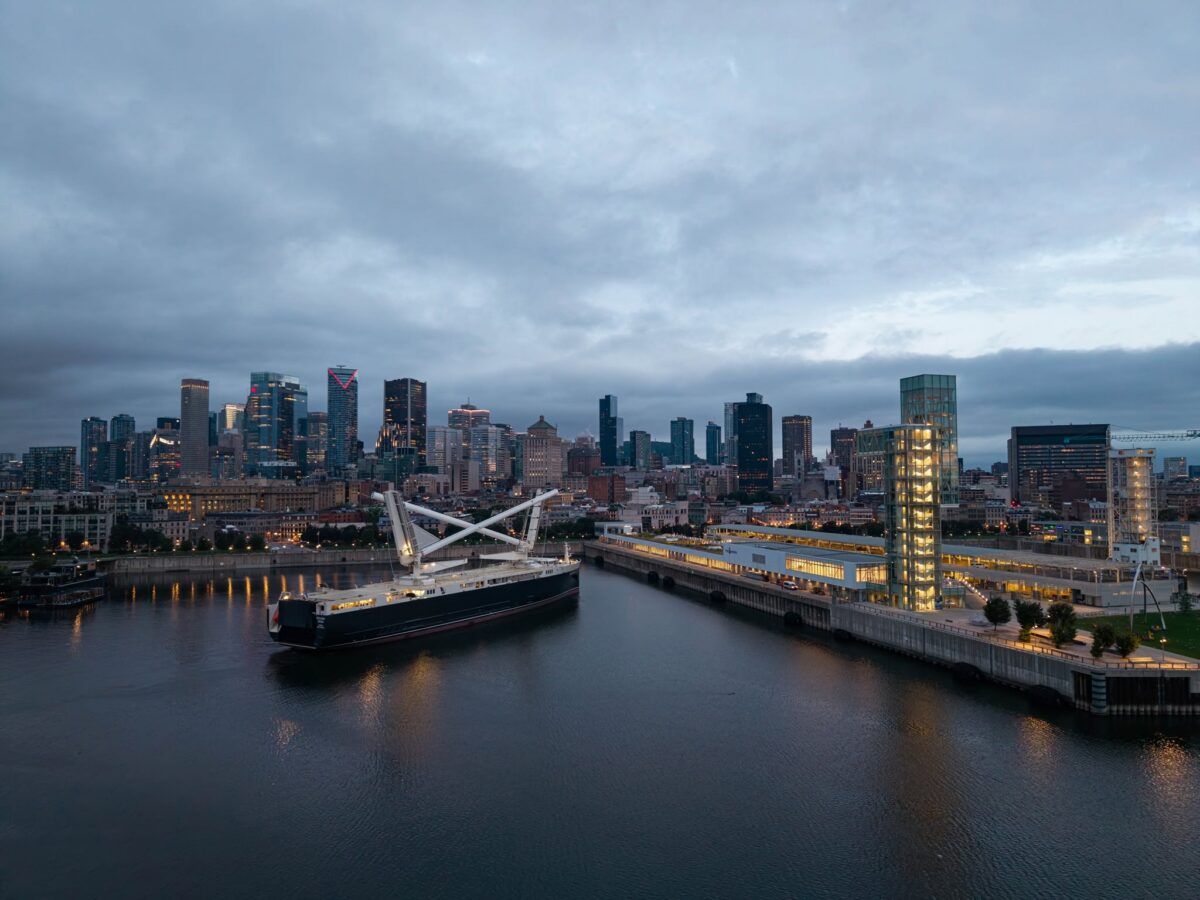
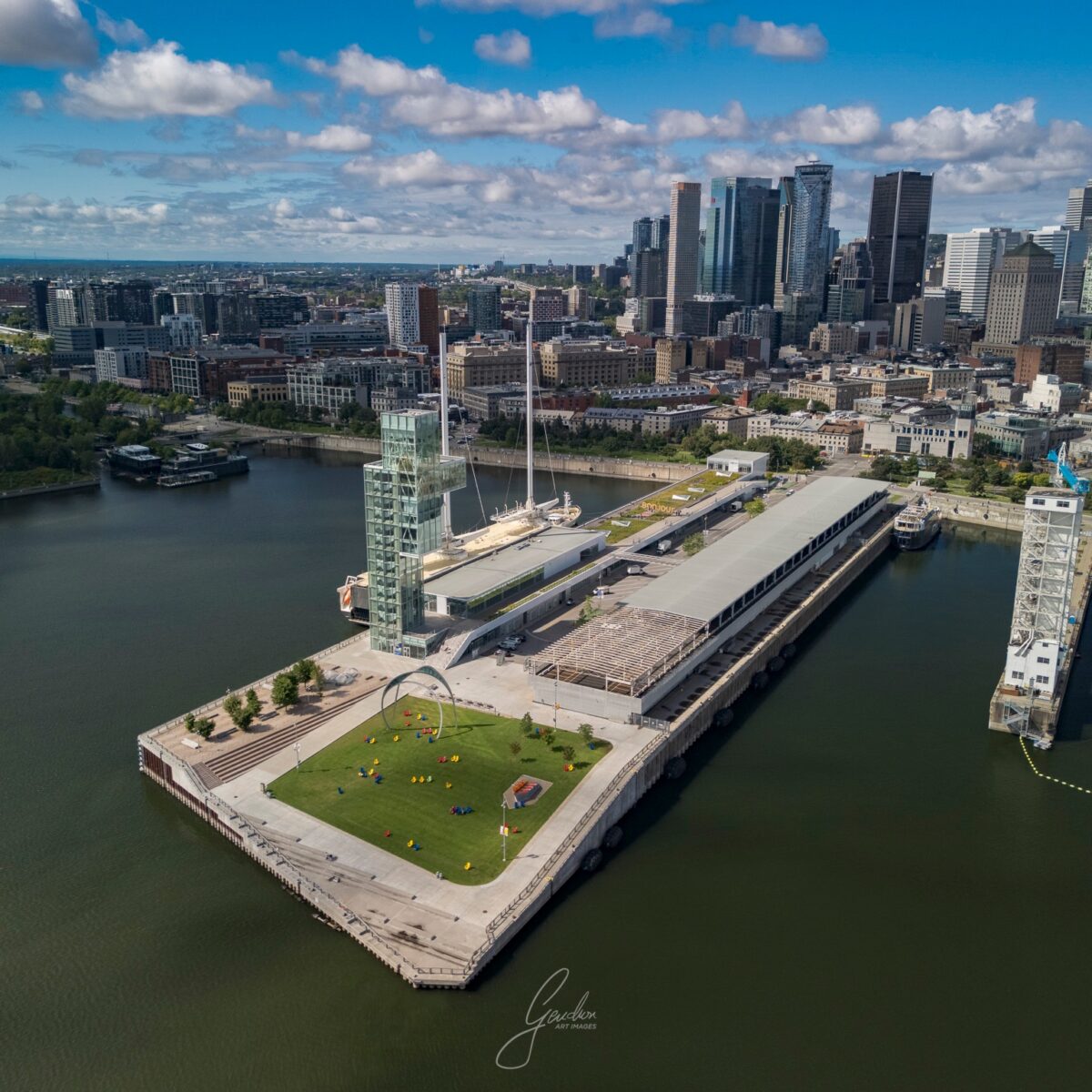
Late August brought an unusual silhouette to Montreal’s Old Port. The Neoliner Origin, the world’s largest sailing cargo ship, arrived carrying 1,000 tonnes of green coffee for Quebec roaster Café William, completing a transatlantic journey that placed wind power at the centre of the coffee supply chain. The shipment, Café William’s fourth by sail and its largest to date, originated with organic Fairtrade-certified coops in Colombia and Honduras.
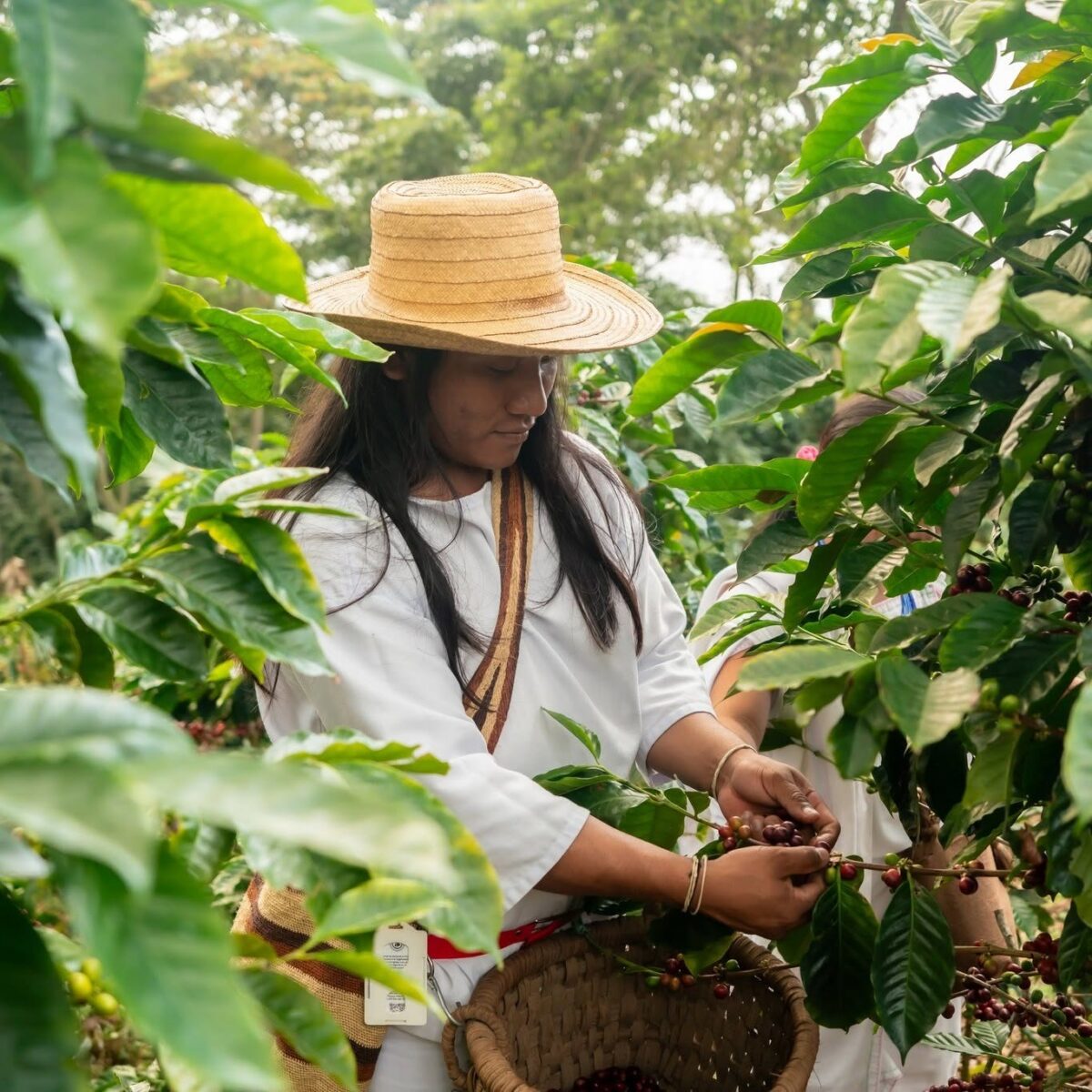
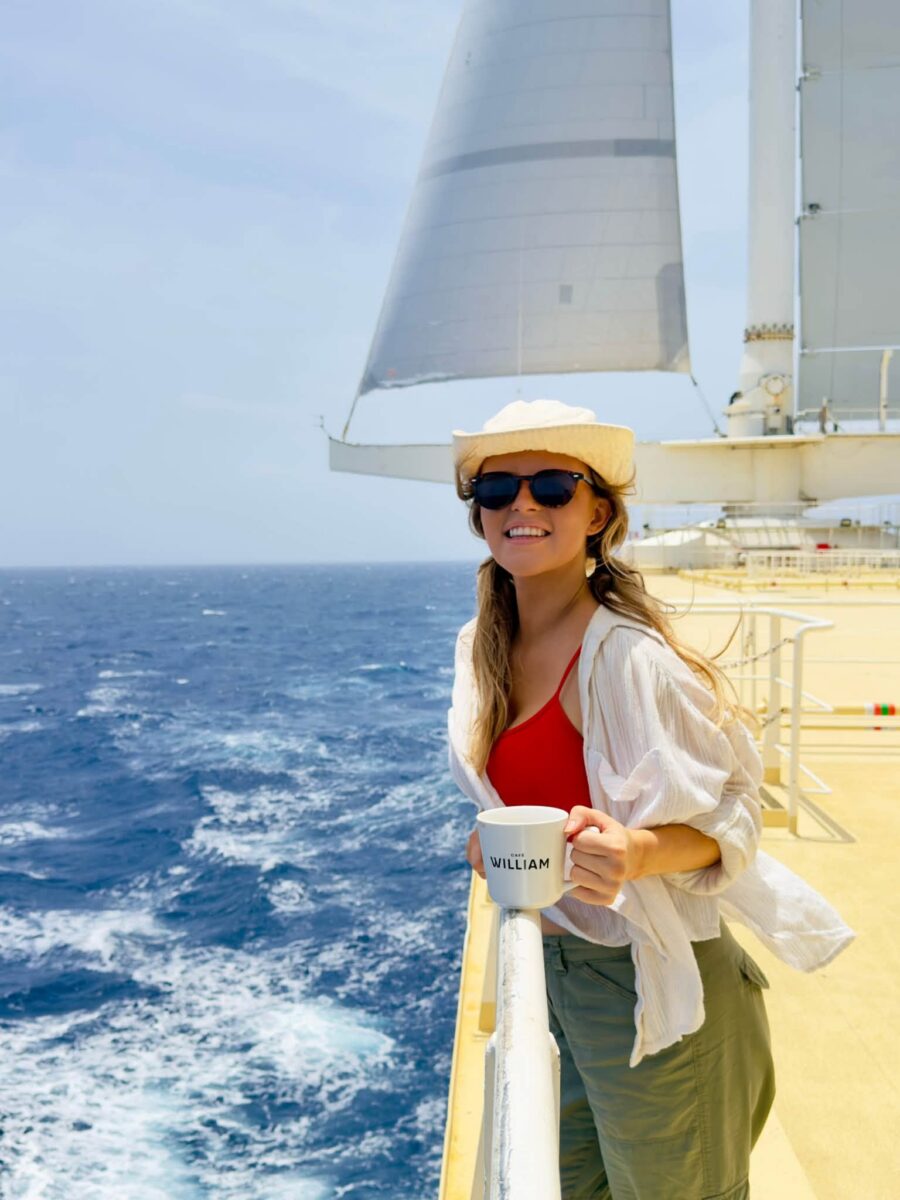
Neoliner Origin departed Colombia on August 7 with coffee from the ANEI cooperative, then stopped at Puerto Cortés, Honduras, on August 12 to load beans from COMSA before heading north toward Quebec. Environmental educators Macaila Wagner and Karishma Porwal joined the Caribbean leg to document the voyage and its environmental ambitions firsthand. For coffee drinkers accustomed to considering altitude, processing method and roast profile, the voyage introduces another variable into the conversation: how beans travel between origin and roastery.
Neoline Brings Wind Back to Freight
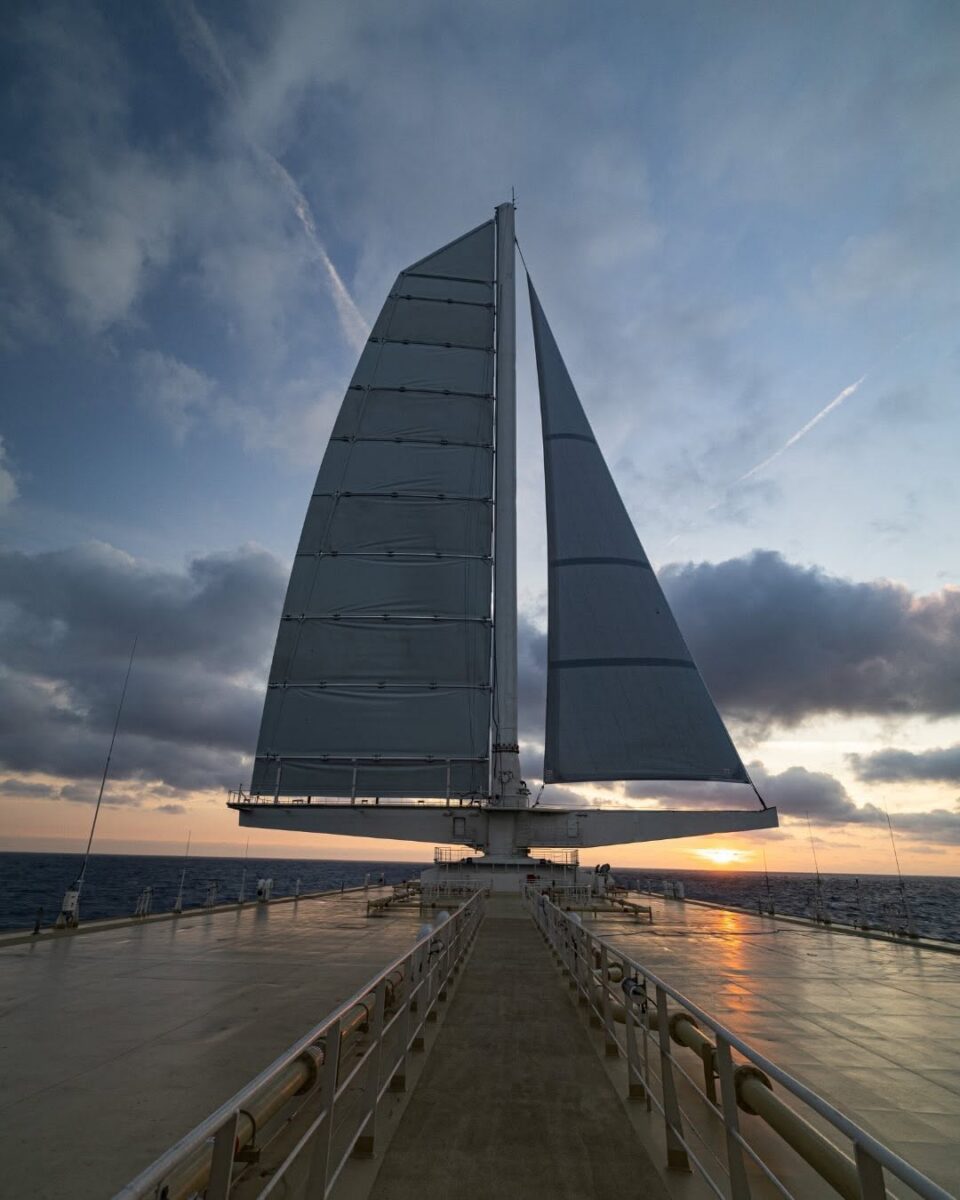
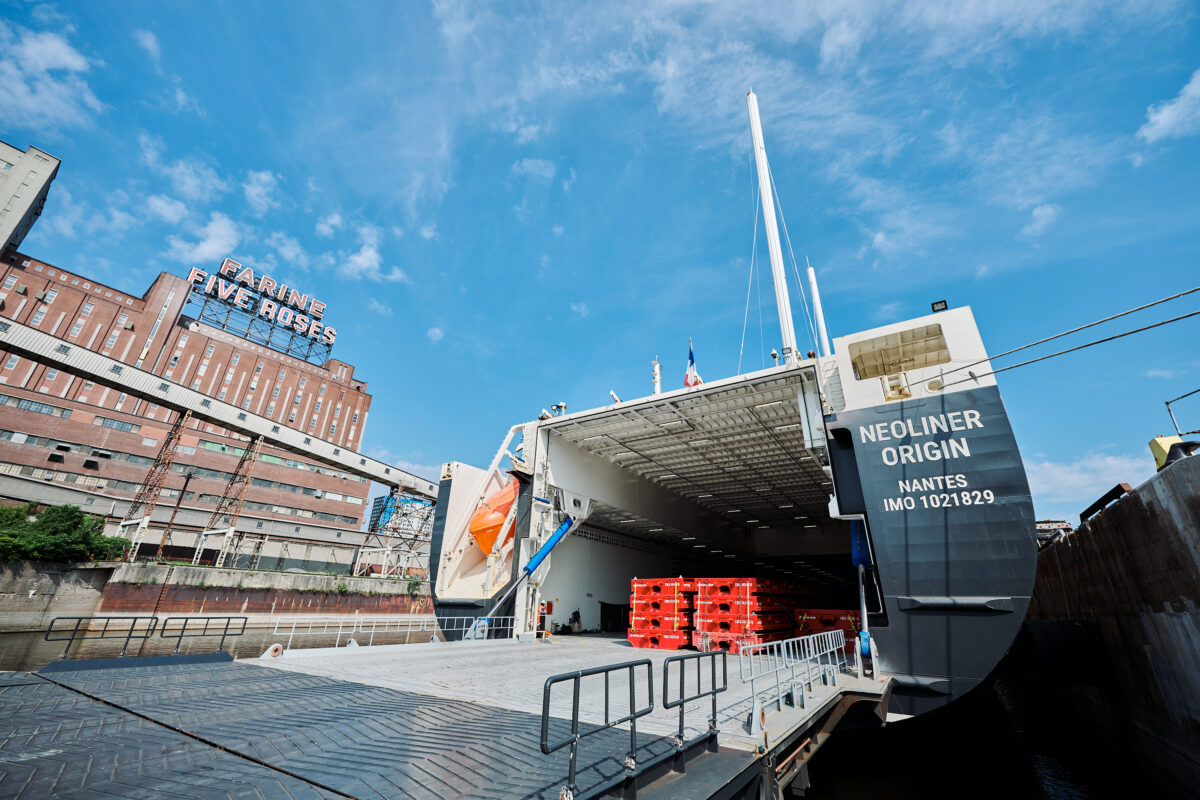
Operated by Neoline, a French maritime company, Neoliner Origin gives commercial sailing an unmistakably industrial scale. The 136-metre roll-on, roll-off freighter carries 3,000 square metres of rigid sail across two masts, using wind as its primary propulsion and a diesel-electric system as auxiliary power. Neoline says the vessel is designed to reduce fuel consumption by more than 80 percent compared with a conventional ship travelling at 15 knots. Its commercial speed is 11 knots, while its freight capacity reaches 5,300 tonnes.
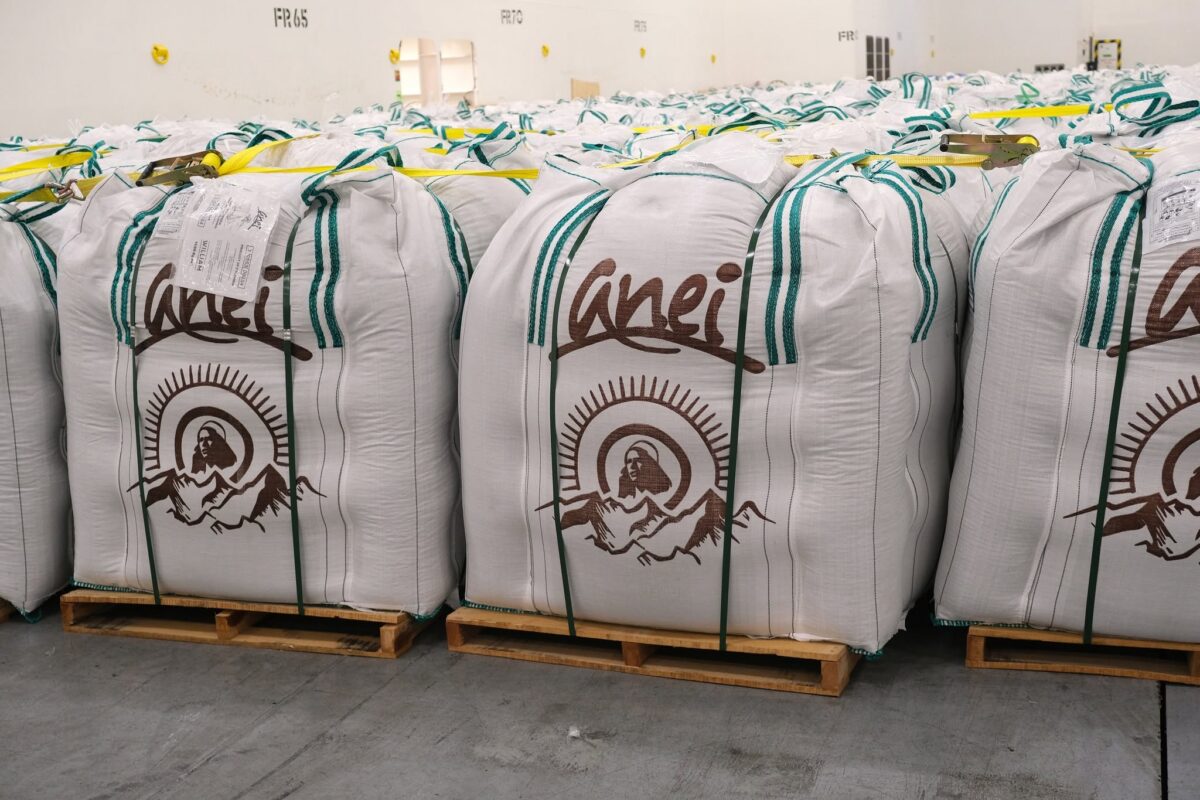
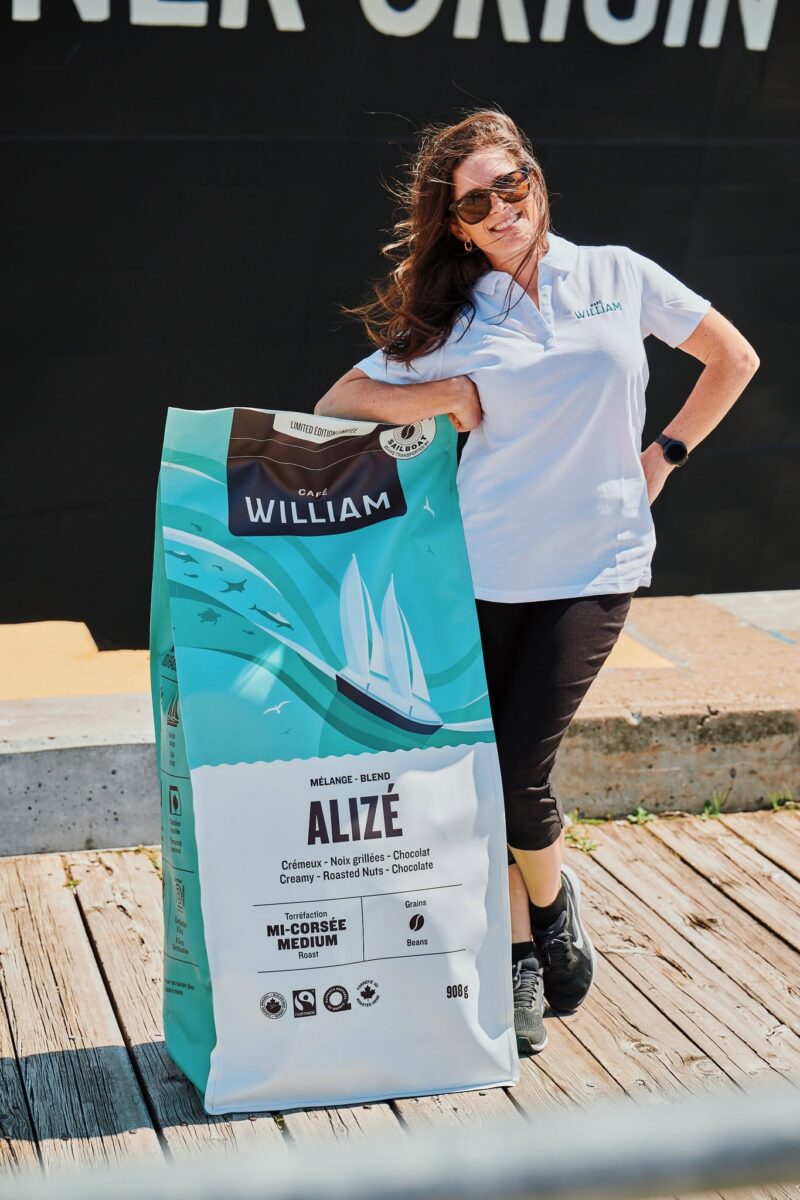
Against those dimensions, Café William’s 1,000-tonne coffee cargo becomes especially tangible. More than 60 containers crossed the Caribbean and Atlantic primarily under wind power, transforming an old maritime principle into a contemporary logistics experiment. Café William has identified these beans with ALIZÉ, a new blend, with notes of roasted nuts and chocolate, whose name evokes the trade winds. The arrival also represented years of incremental work. Café William has steadily increased the volume carried on its sail-powered shipments, treating maritime transport as one component of a broader effort to reduce the environmental footprint attached to every cup.
From Green Coffee to Quebec Roast
Once unloaded in Montreal, the green beans continued overland to Café William’s facilities in Sherbrooke. There, the company roasts coffee in a LEED-certified plant using an industrial electric roaster powered by Quebec hydroelectricity. The chain connects certified organic and Fairtrade sourcing with lower-carbon maritime transport and electric roasting. For a product whose geography is inherently international, those choices focus attention on stages that often remain invisible once coffee reaches a café counter.
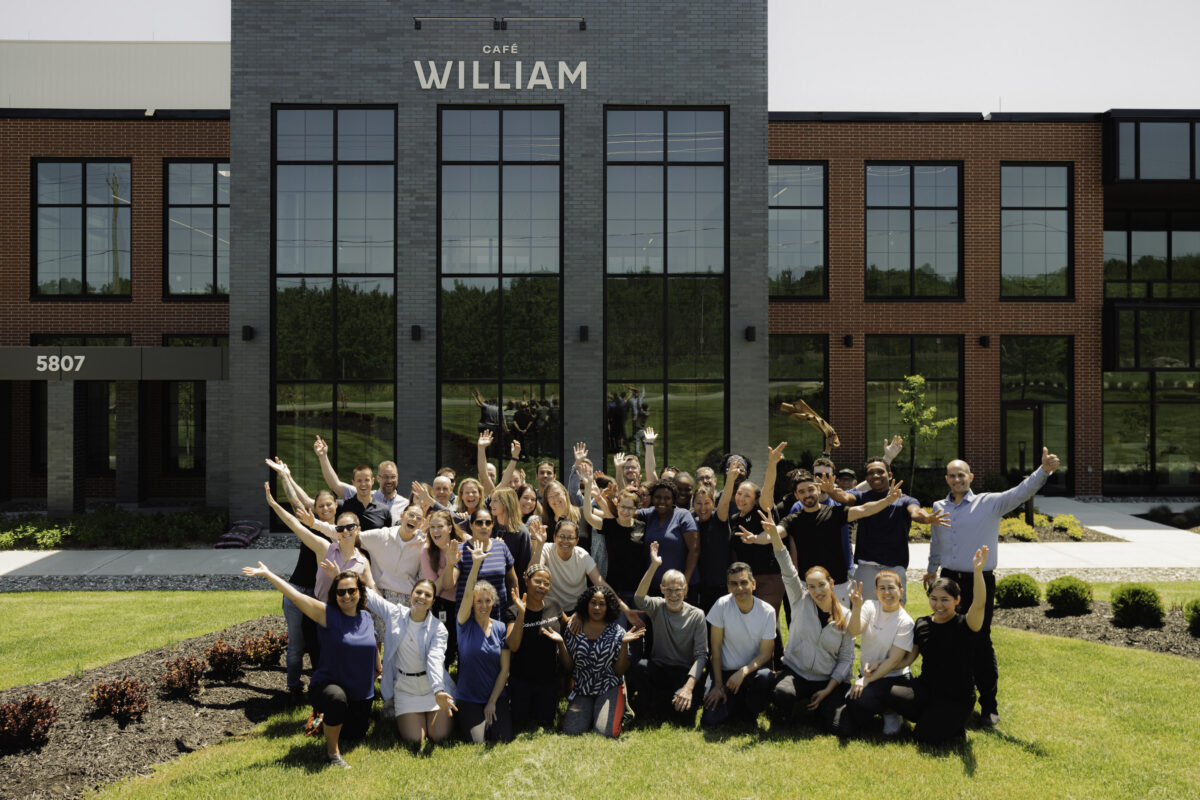
The voyage also carried a distinctly Quebec conclusion. After crossing the Atlantic, Neoliner Origin stopped at the Port of Québec before reaching Montreal, where the cargo was unloaded for its final trip inland. Café William, established in Sherbrooke in 1988, has become one of Canada’s significant importers of organic and Fairtrade coffee. The company says its objective is to integrate sail transport progressively into its supply chain rather than treat individual crossings as isolated demonstrations.
A New Course for Coffee
The Neoliner Origin’s Montreal arrival offered a striking meeting of coffee culture and maritime engineering. Inside its holds sat agricultural harvests from Latin American cooperatives. Above them rose a modern sailing system built to move industrial quantities of freight with dramatically less reliance on fossil fuel. For connoisseurs, provenance increasingly encompasses the journey after harvest.
A coffee’s story can now include cooperative, certification, ocean route, propulsion and roasting technology alongside familiar details of origin and flavour. One thousand tonnes arriving under sail gives that idea unusual weight. As the beans move from Montreal to Sherbrooke and eventually into cups, Café William’s record shipment provides a concrete glimpse of what a lower-carbon coffee trade can look like when modern logistics meets centuries-old wind power.
Café William ☕
Facebook: @CWCafeWilliam
Instagram: @cafewilliam_
Website: cafewilliam.com
This post was revised by AI